
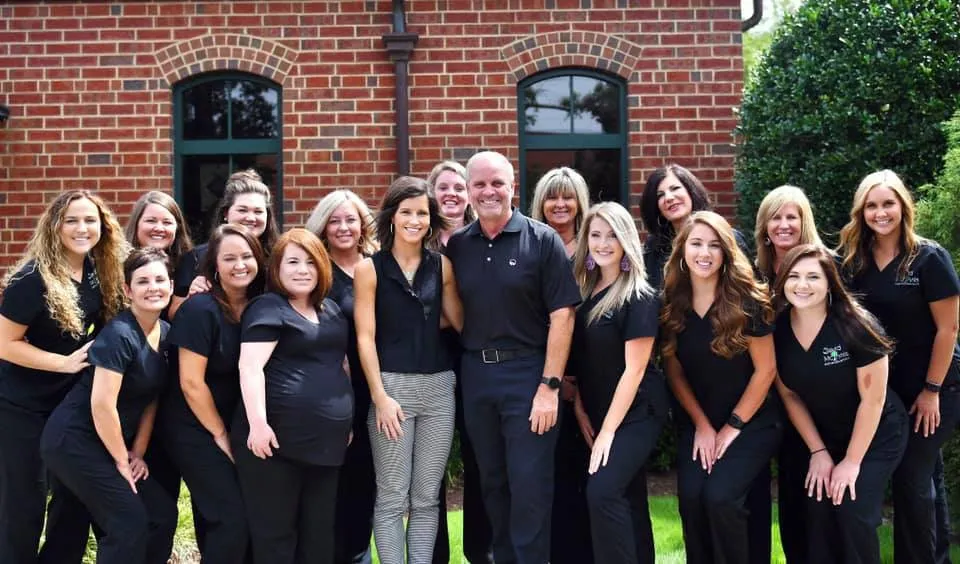
What Is an Orthodontist and Why Specialization Matters
Searching for the best orthodontist near me can feel like a big decision, and honestly, it should. Your smile is something you wear every single day, so the person guiding your care matters. The good news? Understanding what sets specialists apart from general dentists makes the choice a whole lot clearer.
An orthodontist completes 2-3 years of additional residency training after dental school, focusing exclusively on tooth alignment, bite correction, and jaw development. Board-certified orthodontists hold diplomate status from the American Board of Orthodontics (ABO), representing the highest level of verified expertise in the field. Both Dr. David McInnis and Dr. Madison Lanford carry this Board Certified designation, which means they’ve gone beyond the minimum requirements to earn that credential.
Here’s something that surprises most people: while all orthodontists are dentists, roughly 6% of dentists are orthodontists . This specialized training matters because orthodontists handle cases that general dentists typically refer out. When you’re looking for someone to straighten your teeth or correct your bite, you want a specialist who does this work every single day.
How to Research and Evaluate Orthodontists Step-by-Step
Choosing the right orthodontist doesn’t have to feel overwhelming. Follow these steps to make a confident decision:
-
Verify credentials through the AAO directory. The American Association of Orthodontists maintains a “Find an Orthodontist” tool that confirms membership and specialty status. This is your first filter for quality.
-
Read patient reviews across multiple platforms. Check Google and Healthgrades for patterns in feedback. Look for comments about the team’s friendliness, wait times, and how the practice handles concerns.
-
Confirm treatment options match your needs. Does the practice offer what you’re looking for? If you want traditional braces, Invisalign, or early treatment for kids, make sure they specialize in it.
-
Check practical details. Office location, hours, and emergency care availability all matter. Can you reach someone if a bracket breaks on a Saturday? That kind of access tells you a lot.
-
Schedule a free consult. Here’s your chance to meet the team, see the office, and get a feel for the environment. A good orthodontist will take time to answer your questions without pressure.
-
Compare 2-3 practices before deciding. Gather treatment plans and pricing from multiple offices. This helps you understand what’s standard and spot any outliers.
Verify credentials through the AAO directory. The American Association of Orthodontists maintains a “Find an Orthodontist” tool that confirms membership and specialty status. This is your first filter for quality.
Read patient reviews across multiple platforms. Check Google and Healthgrades for patterns in feedback. Look for comments about the team’s friendliness, wait times, and how the practice handles concerns.
Confirm treatment options match your needs. Does the practice offer what you’re looking for? If you want traditional braces, Invisalign, or early treatment for kids, make sure they specialize in it.
Check practical details. Office location, hours, and emergency care availability all matter. Can you reach someone if a bracket breaks on a Saturday? That kind of access tells you a lot.
Schedule a free consult. Here’s your chance to meet the team, see the office, and get a feel for the environment. A good orthodontist will take time to answer your questions without pressure.
Compare 2-3 practices before deciding. Gather treatment plans and pricing from multiple offices. This helps you understand what’s standard and spot any outliers.
A free consult should give you the chance to feel completely comfortable before getting started. You’ll meet the team, tour the office, and walk out with a clear understanding of your options. No pressure, no obligation.
Benefits of Choosing the Right Orthodontist
The orthodontist you choose shapes everything from your treatment timeline to your final results. A specialist brings deeper training, broader treatment options, and the clinical judgment that comes from focusing on one type of care every day. Here’s what the right specialist brings to your care:
How Does Specialist Training Improve Outcomes?
Specialists identify issues that might be missed in a general dental exam, including subtle bite concerns and jaw alignment matters. Board Certified orthodontists like those at David McInnis Orthodontics commit to ongoing education, which directly improves diagnostic accuracy and treatment results.
-
Access to advanced treatment options. A well-equipped practice offers braces, Invisalign, expanders, retainers, and other appliances. You get the treatment that fits your life, not just what’s available.
-
Shorter treatment times. Specialized expertise combined with the latest technology often means more efficient tooth movement.
-
Better long-term outcomes. Proper bite function and facial aesthetics aren’t just about straight teeth. They affect how you chew, speak, and even how your face ages.
Access to advanced treatment options. A well-equipped practice offers braces, Invisalign, expanders, retainers, and other appliances. You get the treatment that fits your life, not just what’s available.
Shorter treatment times. Specialized expertise combined with the latest technology often means more efficient tooth movement.
Better long-term outcomes. Proper bite function and facial aesthetics aren’t just about straight teeth. They affect how you chew, speak, and even how your face ages.
Why Does Family-Friendly Care Matter?
Kids, teens, and adults all have different orthodontic needs. Practices serving the Upstate community, like those in Easley and Anderson, often welcome valued patients of every age under one roof. That makes scheduling easier and keeps family care consistent.
- Reduced risk of relapse. Proper retention protocols keep your results stable for years to come.
What’s the Difference Between an Orthodontist, General Dentist, and DIY Aligners?
DIY aligners might seem convenient, but they skip the in-person exams that catch concerns before they become serious. Things like root resorption or worsening bite alignment can develop without anyone noticing. By the time you realize something’s off, you may need more extensive treatment to correct it.
General dentists can handle mild alignment cases, but most will refer moderate to advanced cases to a specialist. Why? Because Board Certified orthodontists see these situations daily and have the tools and training to manage them properly.
What Affects the Cost of Orthodontic Treatment
The cost of orthodontic treatment depends on several factors, including the type of appliance, case difficulty, location, and insurance coverage. Most patients find that knowing these variables upfront makes budgeting much easier and removes a lot of the guesswork.
Treatment type matters. Traditional metal braces, ceramic braces, and Invisalign each have different price points. Your orthodontist can help you compare options for your specific situation.
Case difficulty plays a role. Someone with mild crowding will typically have a shorter, less costly treatment than someone with a significant bite concern requiring multiple phases.
Geographic location affects pricing. Cost of living in your area influences what practices charge. Urban areas often have higher fees than rural communities, and Upstate South Carolina tends to fall in a reasonable middle range.
Insurance and flexible spending help. Many dental insurance plans cover orthodontic treatment. FSA and HSA accounts can also reduce your out-of-pocket costs.
In-house financing makes treatment accessible. Look for practices that offer payment plans. Many offer payment calculators and low monthly payment options so that orthodontics can be simple & affordable for everyone.
Ask what’s included. Some quotes include records, retainers, follow-up visits, and emergency appointments. Others charge separately. Make sure you’re comparing apples to apples.
Who Should See an Orthodontist (and When)
Orthodontic care benefits patients across every age group, from kids as young as 7 to adults in their 60s and beyond. The American Association of Orthodontists recommends a first evaluation by age 7, when enough permanent teeth have emerged for a specialist to identify developing concerns.
Early evaluation doesn’t always mean early treatment. It gives your orthodontist the chance to monitor growth and step in at the right time.
Children benefit from Phase 1 treatment to guide jaw development and create space for permanent teeth. This can prevent more extensive treatment later.
Teens are the most common orthodontic patients. Braces and Invisalign Teen both work well for this age group, and many teens appreciate having options.
Adults seeking orthodontic care are increasingly common. If you’re correcting issues from childhood or addressing changes that happened over time, it’s never too late.
Signs you should schedule a free consult:
- Crowded or misaligned teeth
- Gaps between teeth
- Overbite, underbite, or crossbite
- Jaw soreness or clicking
- Trouble chewing or biting
- Previous orthodontic relapse
Frequently Asked Questions
How do I know if an orthodontist is qualified?
Check for AAO membership and board certification through the American Board of Orthodontics. These credentials confirm the provider completed specialty training and meets ongoing professional standards. You can verify both through online directories. Practices like David McInnis Orthodontics list these credentials publicly so valued patients can confirm them easily.
What questions should I ask during a free consult?
Ask about the orthodontist’s experience with cases like yours, available treatment options, estimated timeline, and total cost including retainers. Find out who you’ll see at appointments and how the practice handles emergencies.
Is a free consult worth it?
Yes, a free consult is worth it because you receive a treatment plan tailored to your needs and get to experience the office environment firsthand. You’ll meet the team and can assess whether you feel comfortable there. There’s no obligation to move forward.
How long does orthodontic treatment usually take?
Most cases take between 12 and 24 months, though this varies based on case difficulty. Your orthodontist will give you a more specific estimate after examining your teeth and bite.
Can I switch orthodontists mid-treatment?
Yes, though it may involve transfer fees and a new evaluation. If you’re moving or unhappy with your current care, another orthodontist can typically continue your treatment.
Do I need a referral to see an orthodontist?
No referral is needed. You can contact an orthodontic practice directly to schedule a free consult. Many people find their orthodontist through recommendations from friends, family, or their general dentist.
Choosing the right orthodontist comes down to credentials, experience, treatment options, and how comfortable you feel with the team guiding your smile journey. Take your time, ask questions, and trust the process. A great smile is worth the careful research.